

Evaluating Battery Safety through Overcharge and Over-Discharge Testing
)
By understanding battery behavior beyond normal operating conditions, manufacturers can make informed design improvements that enhance product safety, reliability, and longevity.
While it may seem unusual to push a battery beyond the conditions it would ever encounter in real-world use, testing it to these extreme limits provides an additional layer of safety. This safety layer becomes valuable if a vehicle experiences a battery fault or safety system failure. Because this is possible, manufacturers must learn and test their systems against over-discharging and overcharging.
Over-Discharging
Every battery is designed with a desired capacity, which represents the amount of energy the battery is intended to store and deliver during operation. Over-discharging occurs when a battery is discharged beyond its recommended minimum voltage or state of charge limit. This means that the battery would be attempting to contain less usable energy (capacity) than it was designed to safely handle. In most cases, safety parameters prevent this from occurring. However, it is important to account for multiple possibilities such as miscommunications between vehicle components. An example of this could include miscommunication between a vehicle’s battery and drive motor, which opens a possibility for the motor to continue drawing power. The ongoing power usage and consumption of energy could reduce the battery’s capacity (amount of energy stored). In severe cases, it could also cause the battery to store less energy than it was originally designed to store. Over-discharge conditions can also occur as a result of:
Understanding how a battery responds to these conditions allows manufacturers to evaluate product safety and identify potential weaknesses in safety before products reach the market. Some examples of common issues that stem from an over-discharged battery include:
Overcharging
.png)
Similarly, overcharging occurs when a battery is forced to accept more charge than it can safely handle. If a vehicle’s safety system were to fail, it may not recognize a miscommunication between the vehicle and its charger. Thus, this interaction (or handshake) becomes responsible for recognizing a full charge. Without it, there is potential for the car to overcharge. When a battery becomes overcharged, it can stress the electrodes and electrolyte, potentially resulting in permanent performance degradation or safety concerns.
Some common examples of problems posed by overcharging include:
Because of these risks, overcharge testing is often performed as part of product safety evaluations to determine whether protective systems, such as battery management systems (BMS), can effectively detect and prevent unsafe operating conditions.
The Importance of Over-Discharge and Overcharge Testing
Overcharge and over-discharge testing provide valuable insight into how batteries behave when subjected to abnormal operating conditions. These evaluations can reveal performance limitations, degradation mechanisms, and potential safety concerns that may not be apparent during normal operation. They also help manufacturers better understand how prolonged misuse may impact battery life and overall system reliability. Identifying these risks early in development plays a critical role in improving battery safety and can lead to the implementation of enhanced safeguards, control strategies, and protective design features.
MGA’s Battery Testing Capabilities
At MGA Research Corporation, our battery testing capabilities enable customers to evaluate product performance under challenging conditions while supporting safety, compliance, and product development objectives. By understanding how batteries respond to overcharge and over-discharge events, manufacturers can make informed decisions that help improve both product quality and user safety. In addition to providing valuable safety and performance data, MGA offers the equipment, expertise, and controlled test environments necessary to conduct these evaluations with confidence.

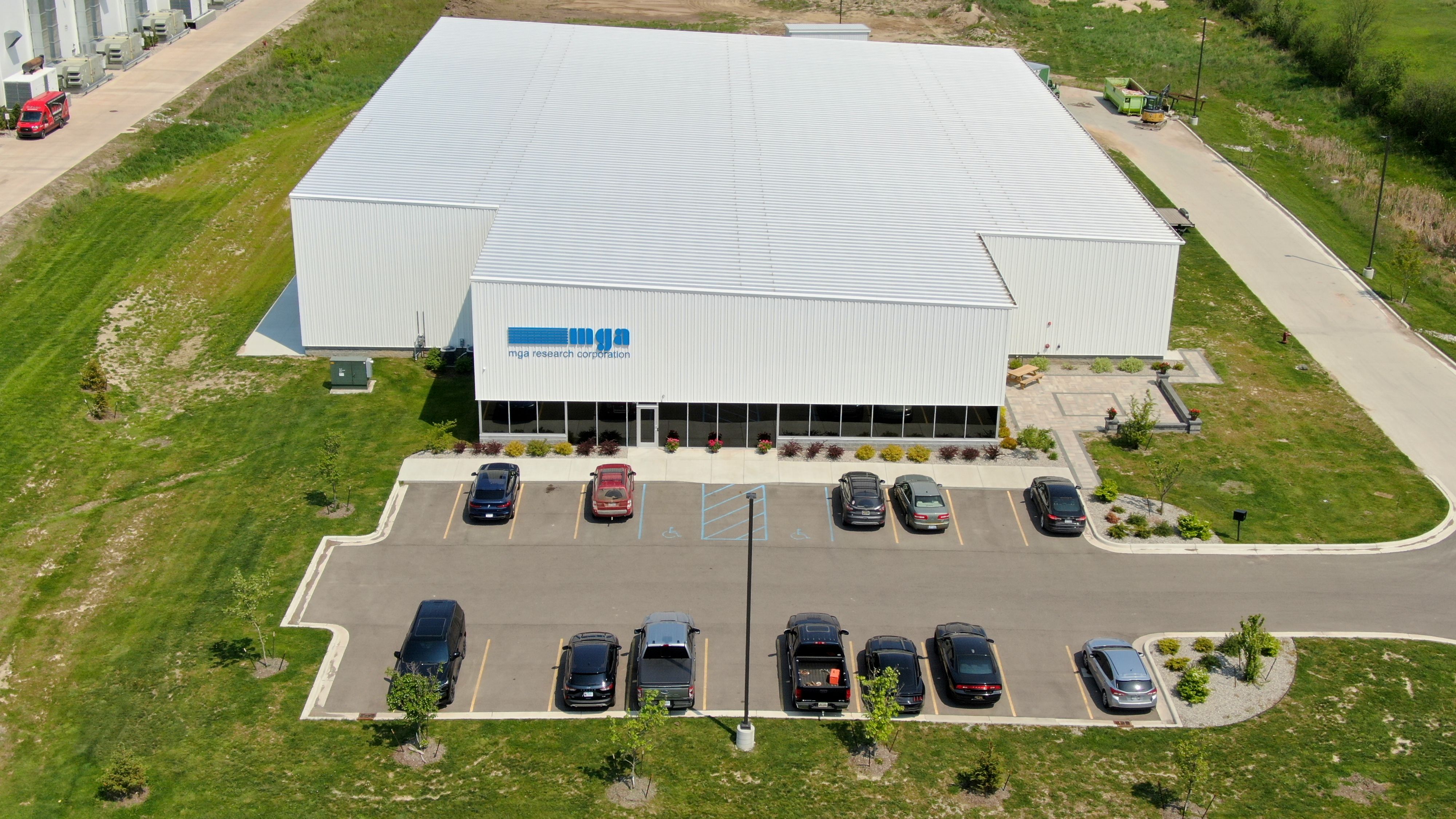

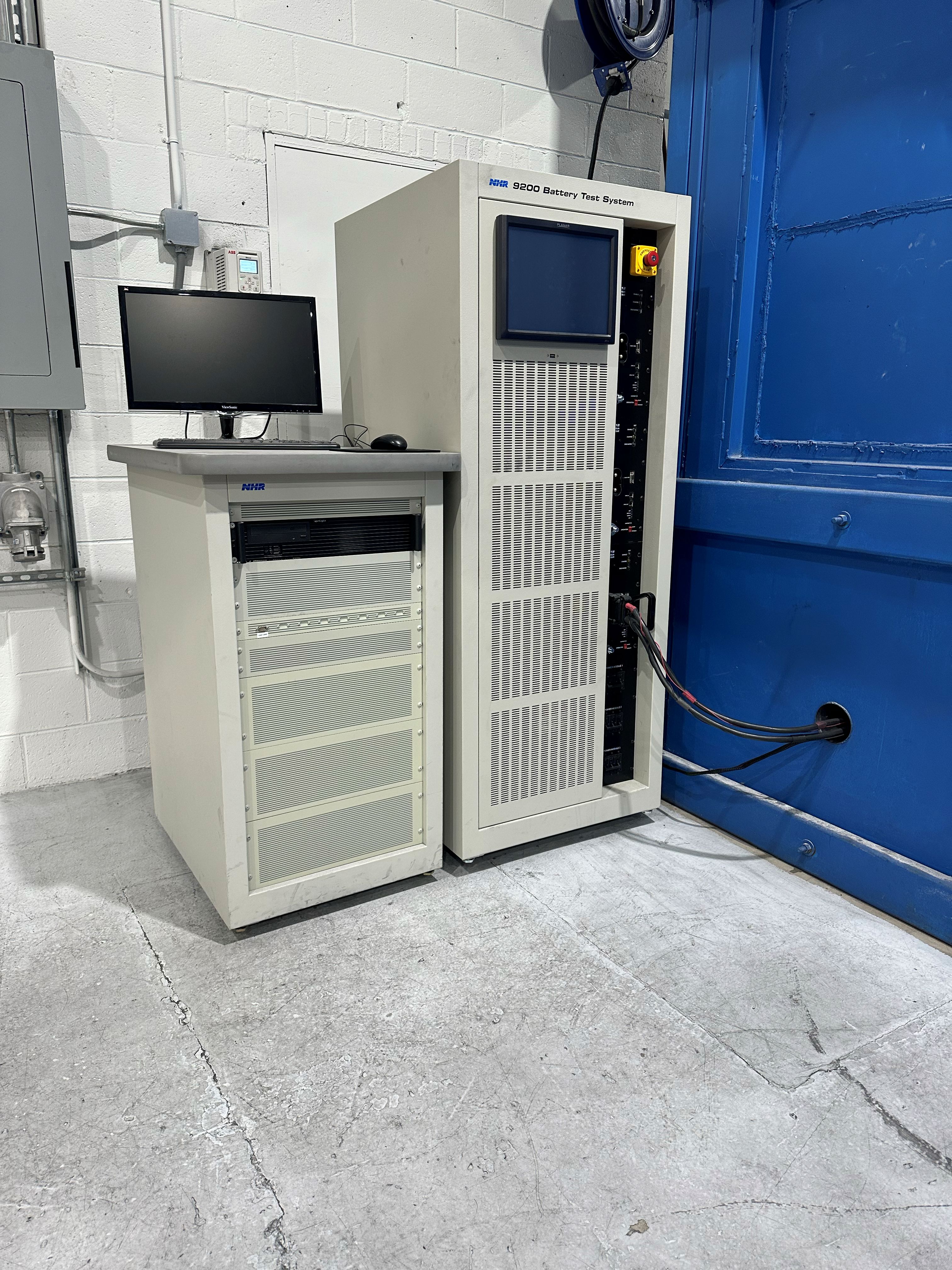
At MGA Research Corporation, we have multiple facilities [Burlington, WI; Holly, MI; and Akron, NY] that house the ability to assist customers in these efforts. With a wide range of cycler capabilities, we can tailor test profiles to match customer requirements, battery types, and application-specific operating conditions. Cyclers are advantageous in this process, as they allow our team of engineers to apply precisely controlled charging and discharging rates as appropriate for the product that accurately simulate real-world operating scenarios.
.jpg)
Did you know? MGA offers a variety battery cycler rentals for your next program. Get in touch today to receive a quote.
The MGA Advantage:
For more information about our battery testing services, visit our Battery Capabilities page.
)
)
)
)
)
)
)
)

)
)
)
)
)
)
)
)
)

)
)
)
)
)